Dec 17, 2025
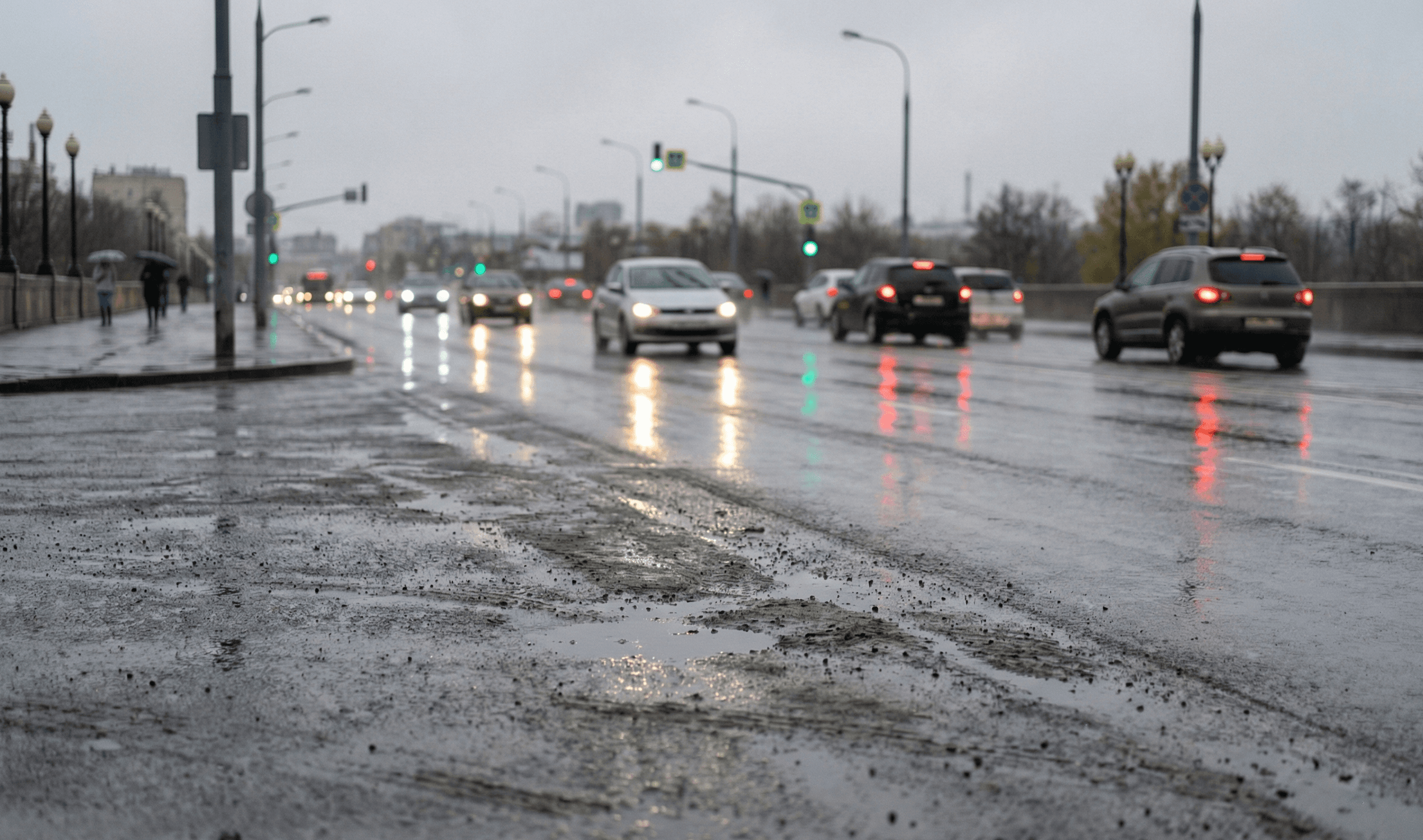
Road safety constitutes a significant global concern, with numerous crashes influenced by factors that drivers seldom notice. Given that asphalt serves as the predominant surface for roads worldwide, the quality of its construction has daily implications. A critical yet often overlooked aspect is asphalt grading, the precise proportioning of stone and sand within the mixture. This process directly affects grip, drainage, stability, and the rate at which the road deteriorates.
Why Pavement Design Is Key to Preventing Road Accidents
When people think about roadway accidents, they often point to speed, distraction, weather, or driver behaviour. These are major contributors, but they are not the whole story.
The road surface itself plays a subtle yet substantial role in a vehicle’s ability to stop quickly, steer reliably, and maintain traction, particularly in wet conditions or during abrupt braking. Many preventable crashes result from a combination of small risks: damp pavement, worn tyres, reduced visibility, and a surface that does not perform as expected.
That is where asphalt grading comes in. Though rarely highlighted in public discussion, it has a profound influence on skid resistance, hydroplaning risk, and long term pavement durability, all of which are essential to road safety.
What Is Asphalt Grading and Why Does It Matter
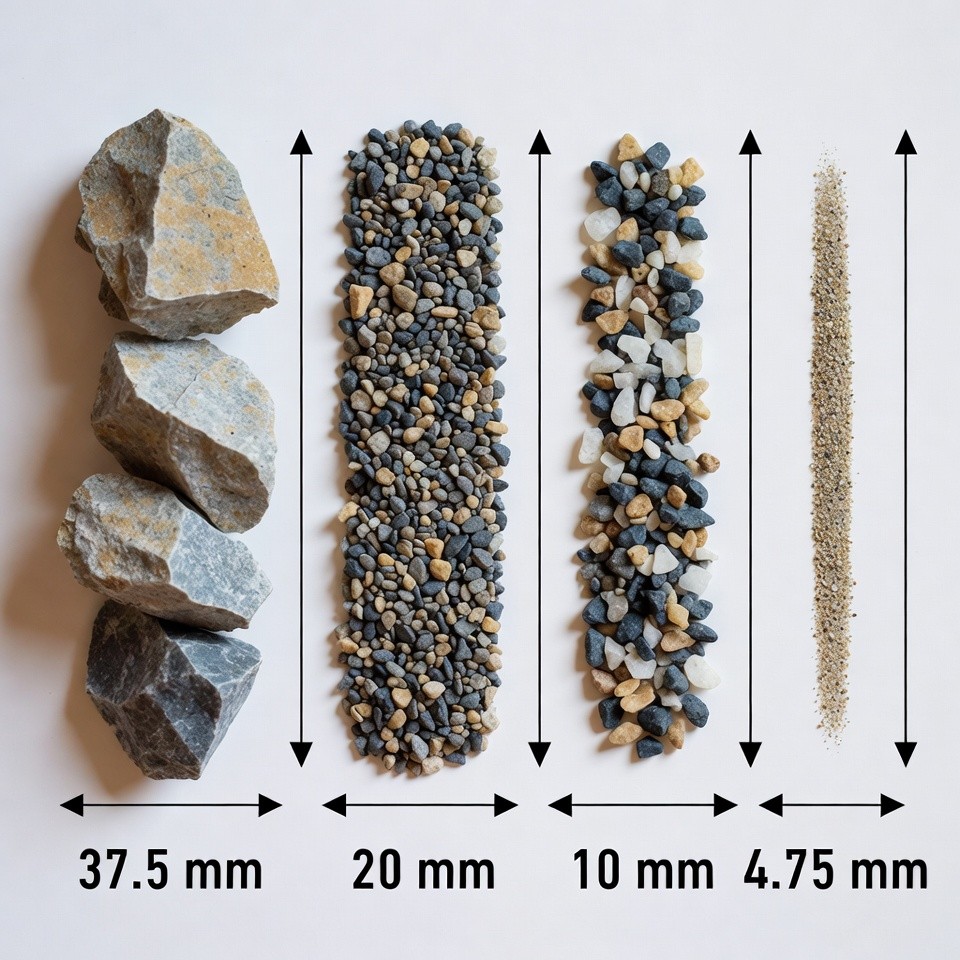
Asphalt grading is the process of selecting and balancing the sizes of stone, gravel, sand, and fine particles in an asphalt mix so they fit together correctly.
Think of it as creating a strong, concrete like skeleton from aggregate, then using asphalt binder, the black, glue like material, to hold that skeleton together. When particle sizes are properly balanced, the mix packs tightly, remains stable under traffic, and provides a safe surface texture. When grading is incorrect, the pavement can become slick, weak, or uneven over time.
Asphalt grading directly influences several key performance characteristics:
Aggregate size distribution, which governs internal strength and interlock
Surface texture, which affects friction at the tyre–pavement interface
Mix consistency, including uniformity of blending, compaction, and structural integrity
Modern pavement engineering relies on established standards to control variability and ensure reliability. In the United States, these include AASHTO and ASTM specifications. In Europe and other regions, equivalent standards and performance based mix designs are used. Regardless of location, the principle remains the same: controlled, uniform grading leads to predictable performance and improved road safety.
How Asphalt Grading Enhances Road Safety and Prevents Crashes
Good grading does more than make a road look finished. It governs how the pavement behaves under tyres, water, and heavy traffic loads. The most direct safety benefits include:
Tyre Grip and Skid Resistance
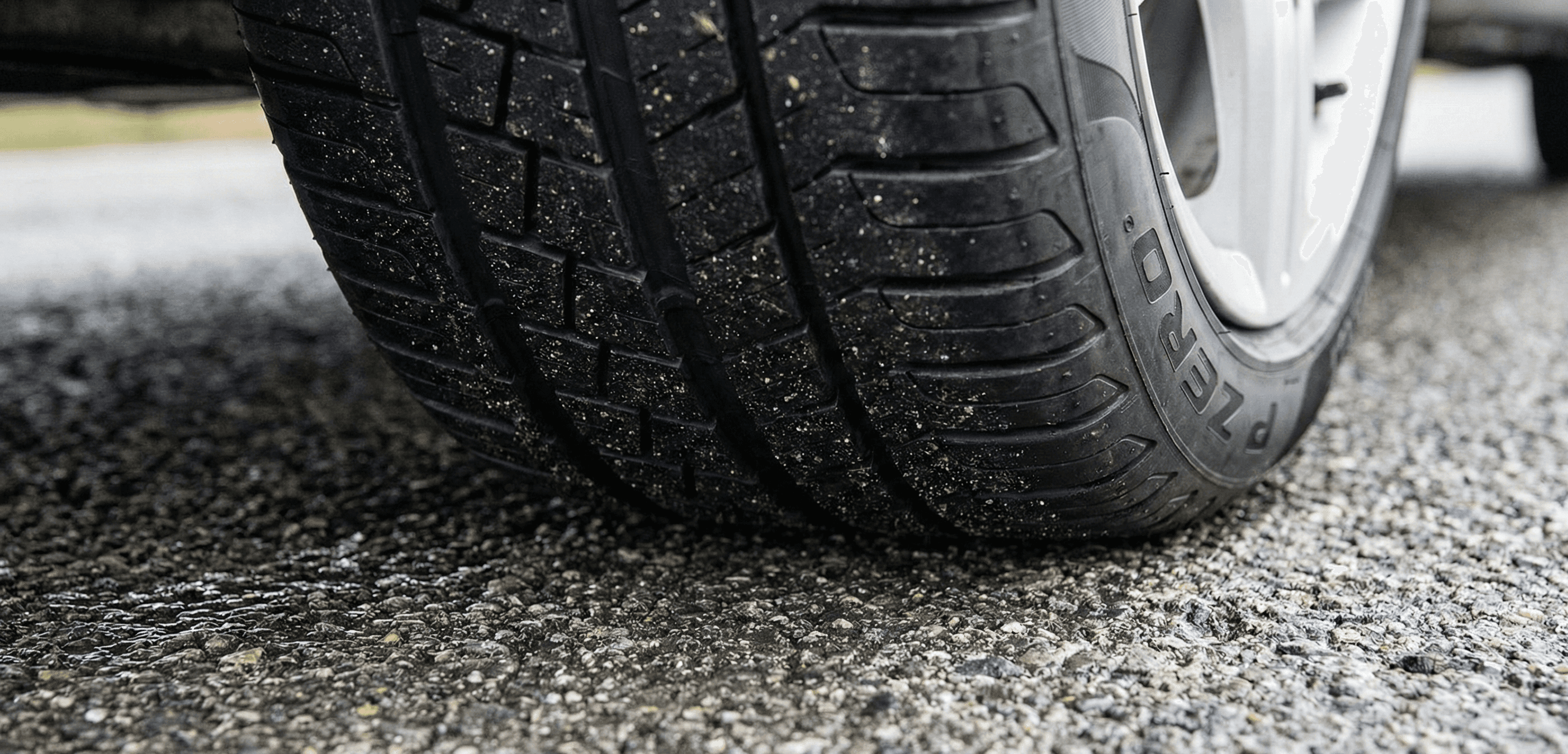
Tyres rely on microscopic surface irregularities for effective braking and steering. Proper grading produces a durable surface texture that maintains friction over time. Poor grading can lead to rapid polishing or insufficient initial texture, particularly in high demand areas such as intersections, ramps, and curves. Reduced friction increases stopping distances, skid risk during emergencies, and loss of control on bends or gradients.
Water Drainage and Hydroplaning Mitigation
Rainfall creates a thin, hazardous film between tyre and pavement. Grading influences surface texture and, in some mix types, the pavement’s ability to disperse water from the contact patch. Well graded mixes help break up water films, reduce splash, and preserve wet weather traction.
Surface Uniformity and Vehicle Stability
Absolute smoothness is not required for safety, but predictability is. Poor grading can cause segregation or compaction problems, leading to inconsistent texture, uneven load distribution, and surface irregularities. These conditions increase driver workload and reduce stability, particularly for motorcycles, light vehicles, and heavy lorries.
Structural Integrity Under Traffic
Traffic loads impose compressive and shear stresses on pavement surfaces. Proper grading creates strong aggregate interlock that resists deformation. Weak internal structure allows rutting and surface undulations to form, reducing safety and accelerating deterioration. Robust grading supports both immediate performance and long term durability.
How Poor Asphalt Grading Leads to Preventable Accidents
Can poor asphalt grading cause accidents?
Yes. Poor asphalt grading can contribute to crashes by:
Reducing surface traction
Worsening wet weather performance
Accelerating defects such as rutting and potholes
While grading issues may not be the sole cause of a crash, they can be decisive when drivers must brake suddenly or make rapid steering corrections.
Slippery Surfaces During Rain
If surface texture is insufficient or wears too quickly, wet conditions become significantly more dangerous. Poor grading limits both macrotexture and microtexture, reducing tyre grip when water is present.
Common consequences include:
Longer stopping distances
Increased skidding risk
Higher likelihood of intersection and rear end crashes
Relatable example:
A driver approaches a signalised intersection during rainfall. The light turns yellow, and the driver brakes normally, but the vehicle slides farther than expected. Even a low speed slide can result in rear end collisions, pedestrian conflicts, or intersection crashes.
Potholes and Premature Pavement Failure
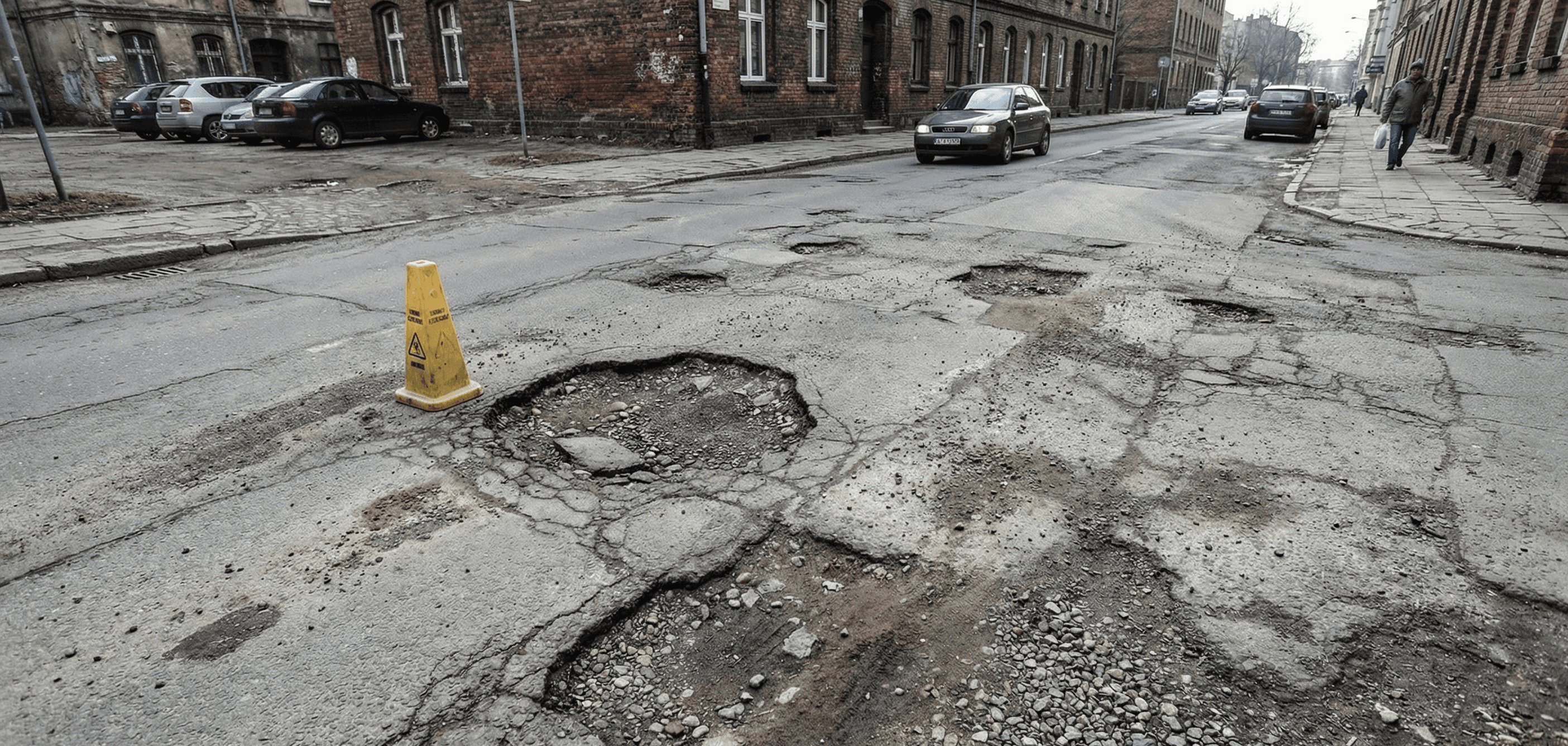
Poor grading weakens the asphalt mix, making it more vulnerable to moisture damage and traffic loading. Once cracks form, water intrusion accelerates deterioration.
This process is intensified by:
Freeze thaw cycles in colder regions
Repeated wetting and drying in warmer climates
Heavy traffic volumes
Relatable example:
A commuter swerves late to avoid a pothole, clipping another lane or losing control. For cyclists and motorcyclists, potholes pose an even greater hazard.
Rutting and Uneven Road Surfaces
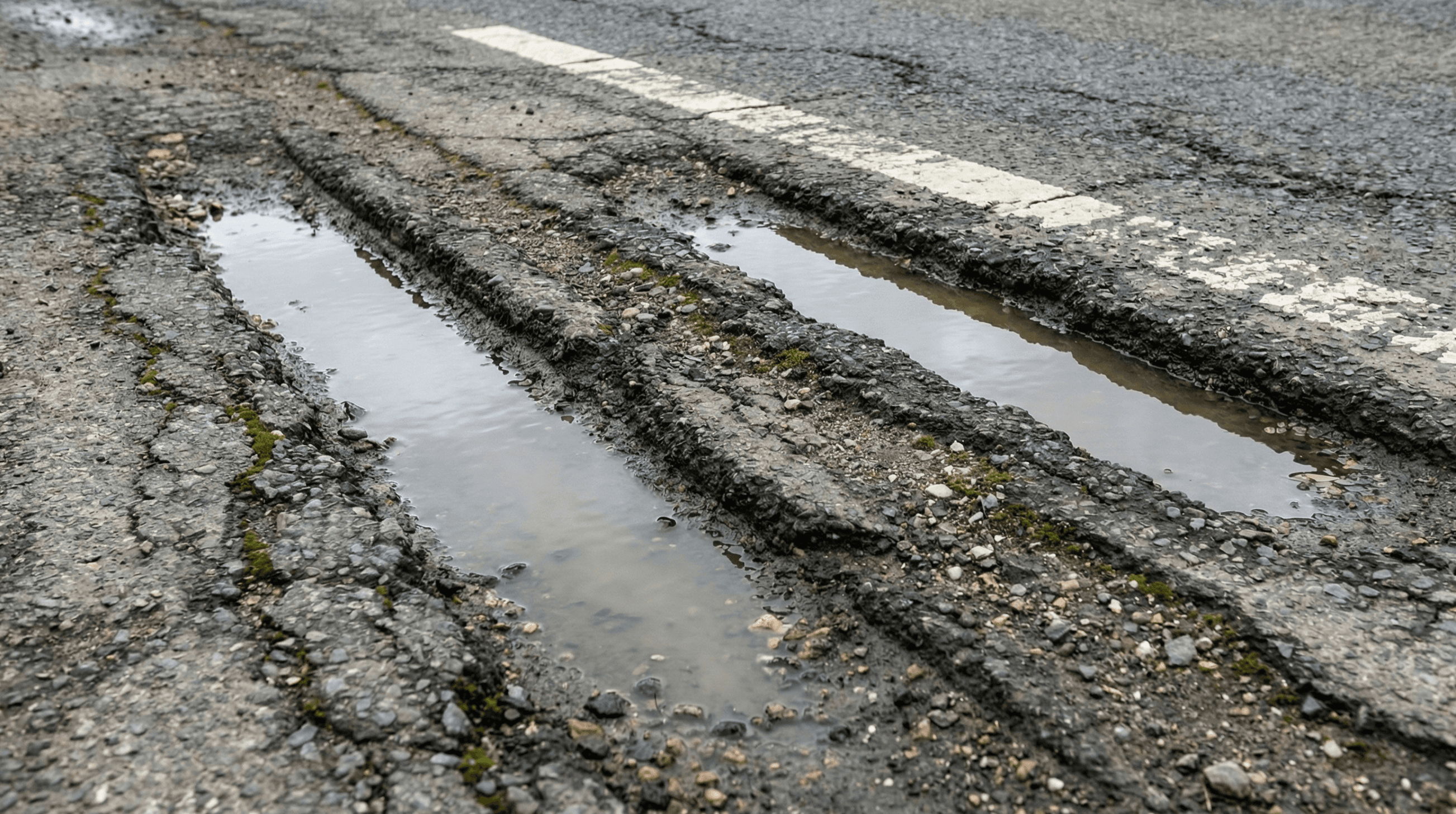
Rutting is a channel like depression that forms in wheel paths when aggregate structure lacks sufficient strength. It commonly occurs in:
Hot weather conditions
Heavy traffic corridors
Intersections and stopping zones
Safety impacts include:
Water accumulation in wheel paths
Increased hydroplaning risk
Reduced steering stability
Relatable example:
During a storm, water collects in ruts. A vehicle travelling at highway speed strikes the pooled water and briefly hydroplanes, drifting toward an adjacent lane or barrier.
Reduced Braking Efficiency
Even with modern anti lock braking systems (ABS), roadway friction remains essential. Poor grading can significantly increase stopping distances, particularly when pavement surfaces become:
Smooth or polished
Flushed due to excess binder at the surface
Relatable example:
A driver brakes hard to avoid sudden congestion. The ABS activates, but the tyres cannot grip effectively, resulting in a collision with the vehicle ahead.
Loss of Vehicle Stability
Uneven texture, weak spots, or deformed surfaces reduce consistent tyre contact with the pavement. These conditions are especially dangerous on:
Curves and ramps
Bridge approaches
Areas with frequent braking or turning
Loss of stability contributes heavily to single vehicle and run off road crashes, many of which are preventable through proper asphalt grading and mix design.
Common Causes of Bad Asphalt Grading and How to Avoid Them
Road surfaces do not fail overnight. Most problems trace back to decisions made during design, material selection, construction, and maintenance. Common causes include:
Cost cutting during construction
Reducing quality controls or using cheaper, poorly controlled aggregates leads to inconsistent grading and weak pavement structure.
Poor quality materials
Dirty, inconsistent, or polish prone aggregates reduce friction and long term durability.
Lack of skilled engineering oversight
Asphalt is not simply heated rock. It requires proper mix design review, field inspection, and process control to meet performance targets.
Inadequate testing and quality control
Without rigorous testing, grading deviations, segregation, and compaction issues can remain undetected until failures occur in service.
Aging infrastructure and insufficient maintenance
Even well built pavements wear over time. Delayed resurfacing and surface treatments allow friction loss and defect growth, increasing crash risk.
These are practical, solvable issues directly tied to construction quality, asset management, and roadway safety.
Best Practices for Asphalt Grading to Improve Road Safety
Reducing risk does not require perfect roads. It requires consistent practices that prioritise performance and safety.
Asphalt grading affects road safety by influencing traction, wet weather performance, surface stability, and the rate at which defects develop. When grading is controlled and verified, pavements are more likely to maintain friction, drain water effectively, and resist rutting and potholes.
Key best practices include:
Proper asphalt mix design
Use proven mix design methods that balance aggregate structure, binder content, and durability for local climate and traffic demands.
Strict adherence to grading standards
Small shifts in aggregate balance can produce large changes in performance. Consistency is essential to safety.
Routine pavement inspections
Monitor friction, rutting, cracking, and drainage behaviour, especially at high risk locations such as curves, intersections, ramps, and school zones.
Timely maintenance and resurfacing
Restore surface texture and repair defects before they become hazards. Preventive maintenance is usually far more cost effective than major reconstruction.
Use of experienced engineers and qualified contractors
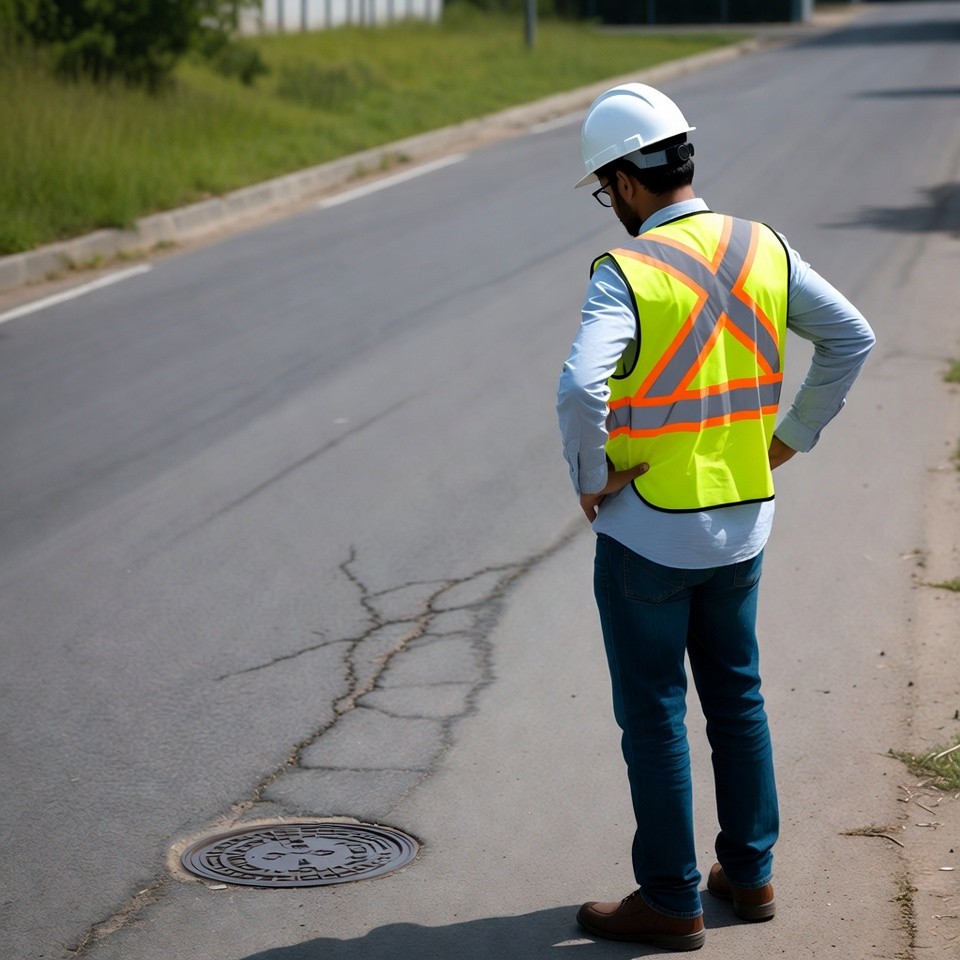
Quality outcomes depend on technical expertise and disciplined execution. Oversight is where specifications become real world performance.
From a pavement engineering perspective, the objective is straightforward: deliver a surface that provides reliable traction and stability throughout its design life.
Why Asphalt Grading Matters for Public Road Safety
It is easy to view asphalt as just the road. But road users bear the consequences when pavement quality is neglected.
Asphalt grading matters because it directly affects:
Driver and pedestrian safety
Better friction, fewer defects, and more predictable surfaces reduce crash risk.
Lower vehicle repair costs
Potholes and uneven surfaces damage tyres, wheels, suspension components, and vehicle alignments.
Reduced accident risk in everyday conditions
Many crashes occur during routine activities such as commuting, school drop offs, and errands, often in rain or low light rather than extreme conditions.
Long term cost savings for communities
Properly designed and maintained pavements reduce emergency repairs and premature rehabilitation.
Greater accountability in infrastructure spending
When agencies specify, monitor, and verify quality, especially grading and surface friction, public funds deliver safer, longer lasting roads.
This is not only a technical issue. It is a matter of public safety, fiscal responsibility, and community value.
Asphalt Grading: Essential for Safer Roads and Fewer Accidents
Many roadway crashes are not inevitable. A meaningful share of preventable accidents can be reduced by improving how roads are designed, built, and maintained.
Among those fundamentals, asphalt grading is one of the most critical and least visible. Proper grading supports traction, drainage, smoothness, and structural stability. Poor grading increases wet weather crash risk, accelerates pothole and rutting development, and reduces braking performance.
If safer streets and highways are the goal, asphalt grading and road safety must be treated as inseparable. That requires:
Increased public awareness of asphalt quality
Improved construction practices and stronger quality control
Timely maintenance that restores friction and repairs defects
Informed decision making and accountability from authorities and communities
Road safety begins long before the first vehicle travels over fresh pavement. It begins with building the road correctly, down to the stones and sand that cannot be seen but ultimately determine safety and performance.